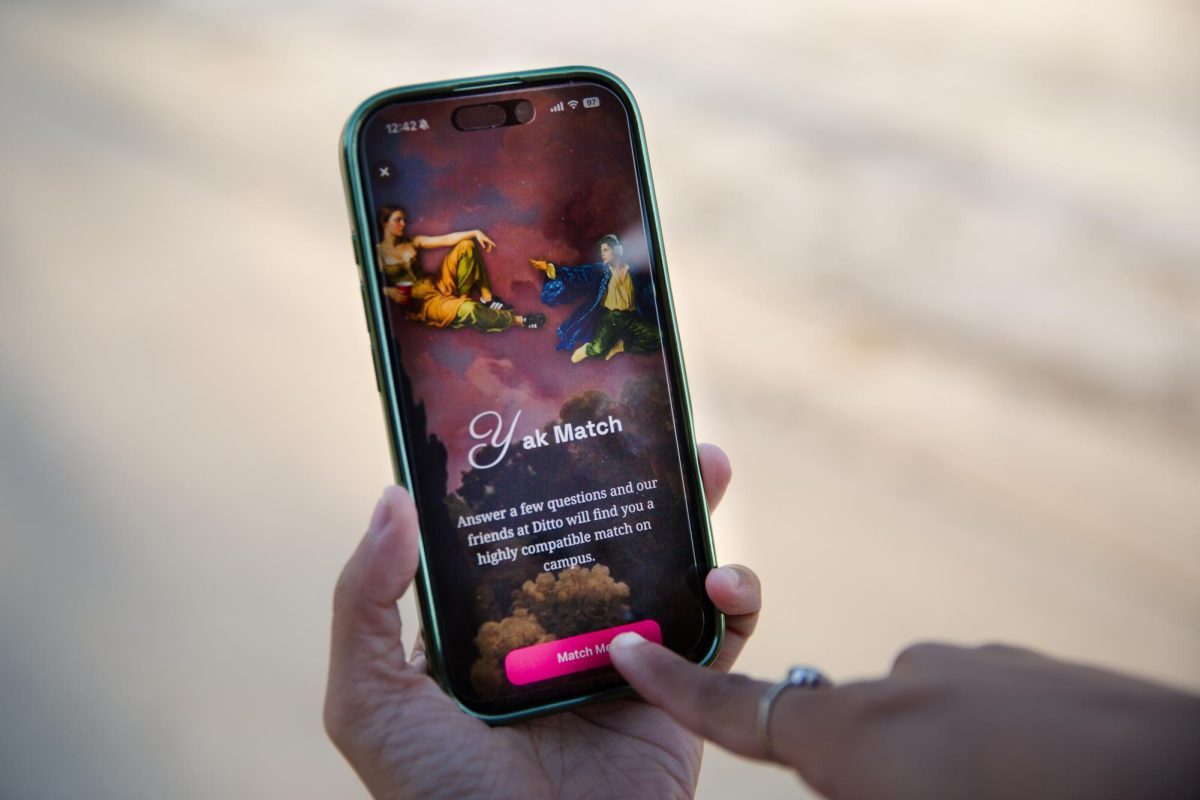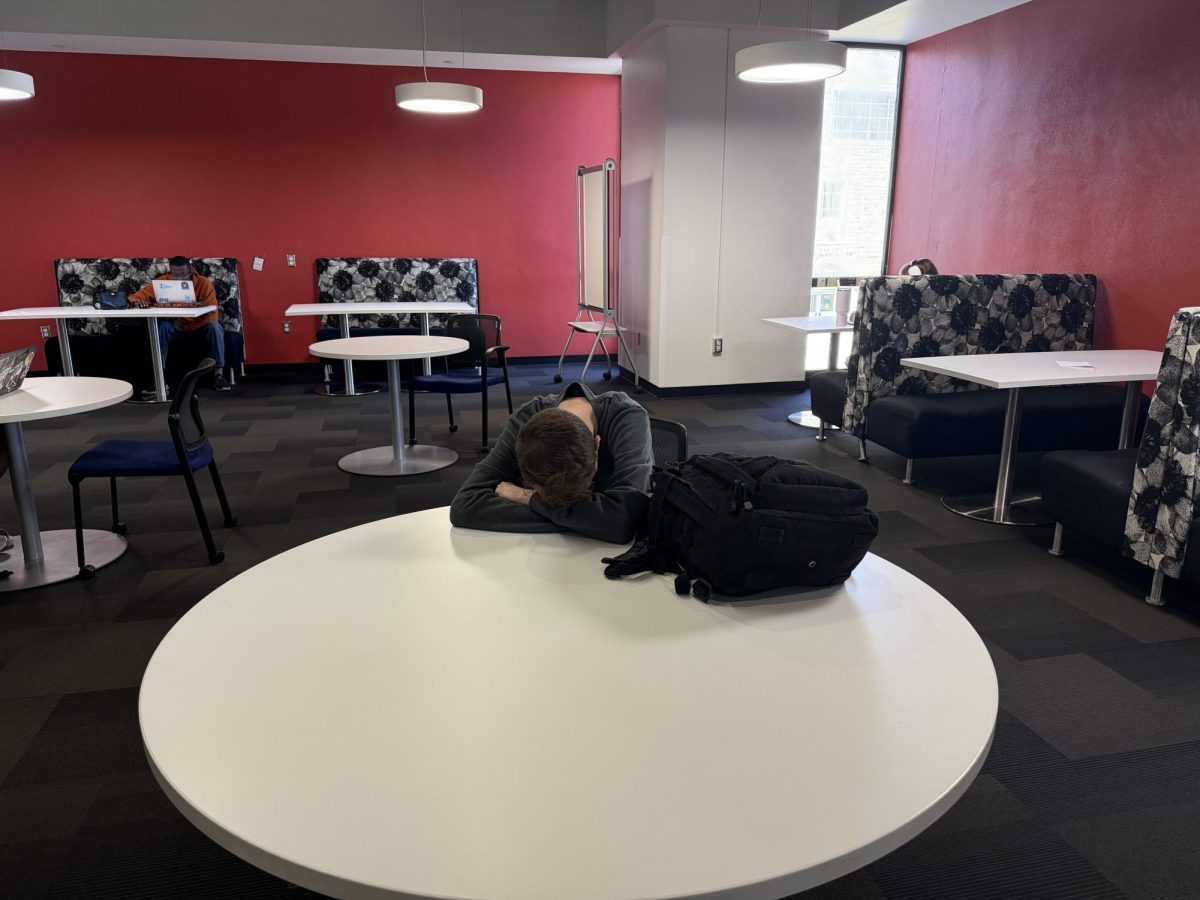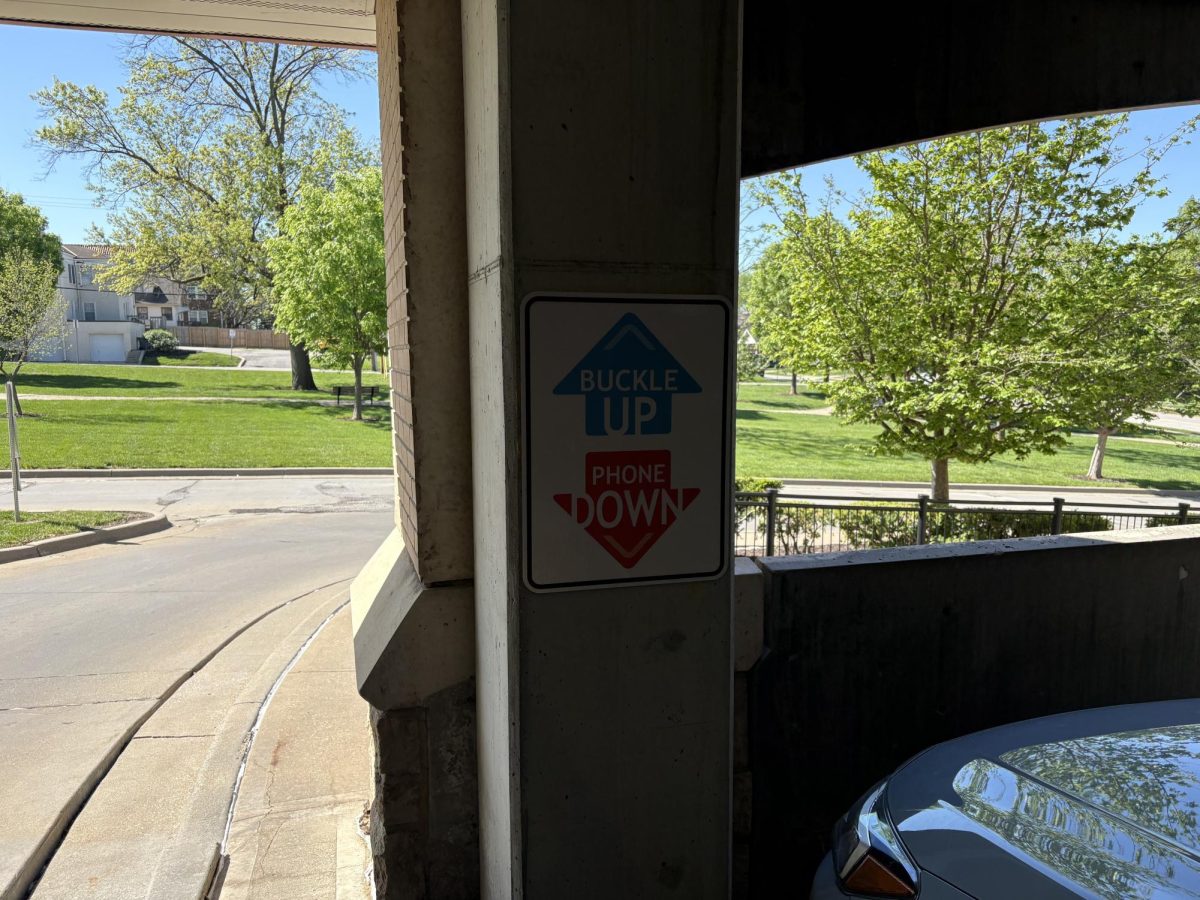
The same story rewrites itself tenfold: pick up the phone and set it down, only to realize 30 minutes have flown past.
It’s comfortable yet fleeting – the initial rush surges when the phone’s unlocked, but it quickly becomes a buffer to avoid being bored again. Whether the “digital detox” method is just another fad, studies suggest it effectively counteracts the digital burnout epidemic.
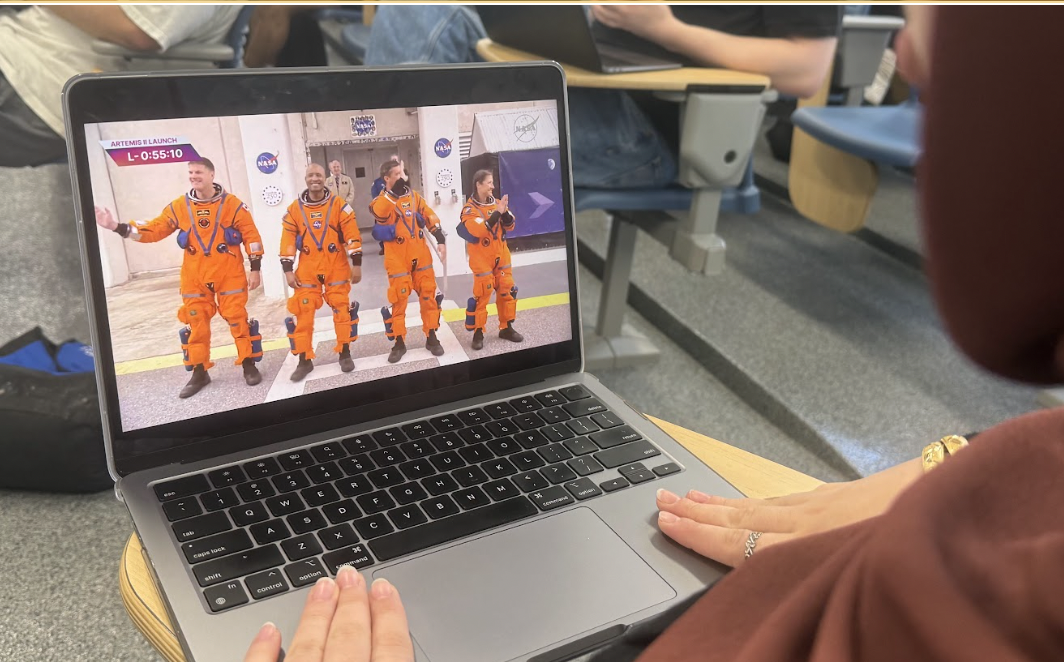
The dead horse must be beaten: online interfaces have integrated into every facet of people’s lives – from work to education to social interaction. While being online has afforded convenience, students have found themselves exhausted by this virtual overload.
Melissa Herrera, a student majoring in media, art, and design, said her phone usage stems from mindless compulsion. She stated that going offline has become more difficult as her day-to-day becomes more electronically dependent.
“I don’t like having to do everything on technology,” Herrera said. “At the same time, you don’t have a lot of choices because all your schoolwork’s online.”
Neuroscientists state the brain is not meant to be continuously stimulated. An exhaustive digital presence positions the brain in a constant dopamine high, and over time, people grow dependent on that mental space to survive.
Every assignment becomes a drag. Every class takes strenuous effort to attend. The brain hops from one thought to another, and scrolling feels like the default for taking the load off.
Junior film major Abby Oldham said she harbors a love-hate relationship with social media, especially as a filmmaker who actively promotes her work online. While Oldham loves how fulfilling and creative social media can be, she added that apps like TikTok feed into her doomscrolling habits.
“I love taking pictures and making videos and just capturing moments,” Oldham said. “[But] I’ve definitely had moments where I feel kind of mindless scrolling on Instagram or TikTok or YouTube. I’m not even really enjoying it. I’m just doing it out of habit.”
Yet, students still try to counter the habit by tapping into analog hobbies and passions. Angel Guadalupe, a civil engineering sophomore, said staying active helps detach from the online landscape.
“I don’t look at my phone when I am playing soccer. It’s so fun, I forget to get on it,” Guadalupe said.
Students have also developed methods to prevent excessive usage. TahJa’e Paige, a junior studying film, said that setting timers, reminders to log off and downloading apps that block media have helped minimize her time.
Herrera said she attempted to limit her TikTok use, but was unsuccessful.
“I put [TikTok] in a folder, mixed with all of my other unorganized apps. And I replaced where it used to be with Canvas,” Herrera said. “It really showed my habits because whenever I would open my phone, I’d automatically go to TikTok. And now I’m just automatically going to Canvas. But eventually my mind reworked.”
Oldham said that while digital detoxes could offer temporary ease, it also fails to address the root of the problem.
“It is possible to avoid it, but it honestly just takes awareness,” Oldham said. “Sometimes there is a deeper issue, like people using social media as a distraction or habit. And that’s kind of hard to break.”


![[FILE] Roof blown off downtown business after storms on April 23.](https://kcroonews.com/wp-content/uploads/2026/04/Image-88-1200x900.jpg)




![[FILE] The sorority banners in the Student Union.](https://kcroonews.com/wp-content/uploads/2024/09/IMG_6328-1-1200x756.jpg)