UMKC housing and dining plans will increase 20% from 2023-24 to 2026-27, including the new 5% increase.
The projected proposal for 2027 housing and dining rates now ranges between $13,567 to $19,798.
Accounting for inflation, the typical baseline rate for housing and dining is around $13,507. While the lowest proposed rate closely tracks inflation, higher rates go 46.6% over.
Some students have expressed their frustration after hearing how much the prices have risen over the last several years.
“I don’t think that’s right at all because a lot of students here are already struggling, they [UMKC] are just making it worse for us,” said Ivy Kirumira, a junior on the pre-med track.
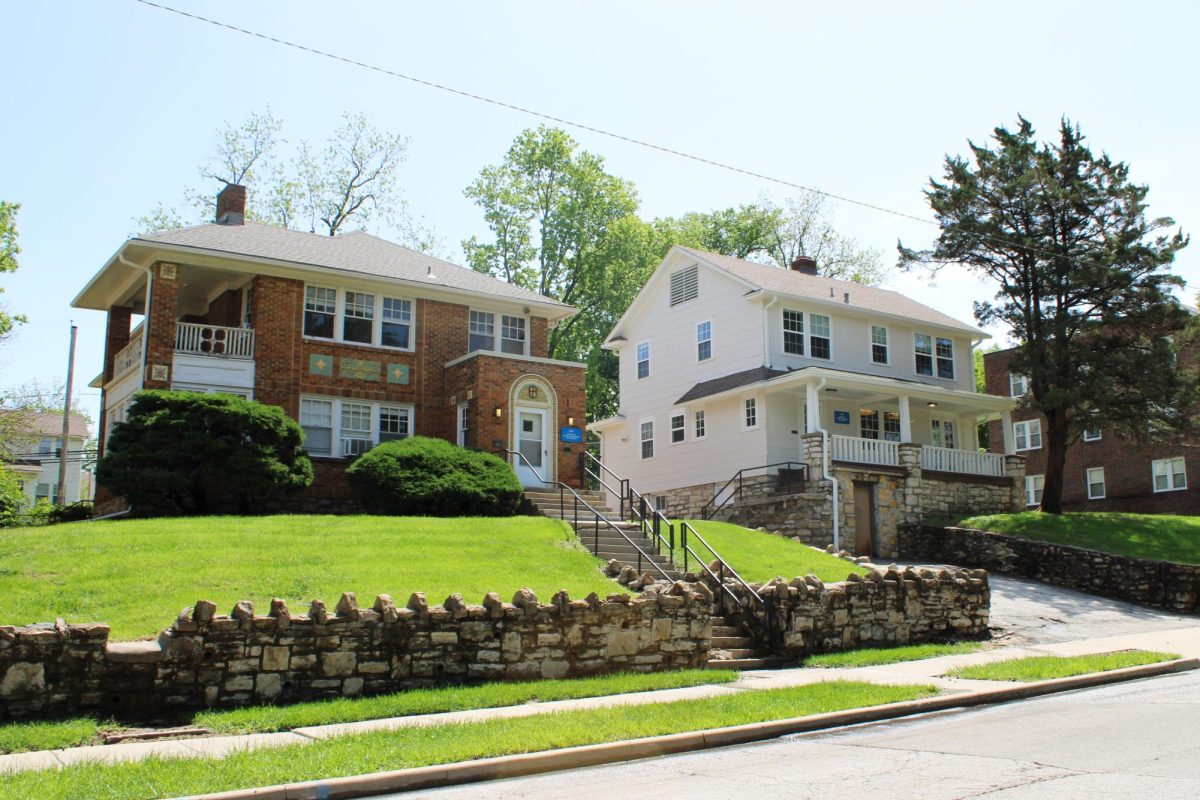
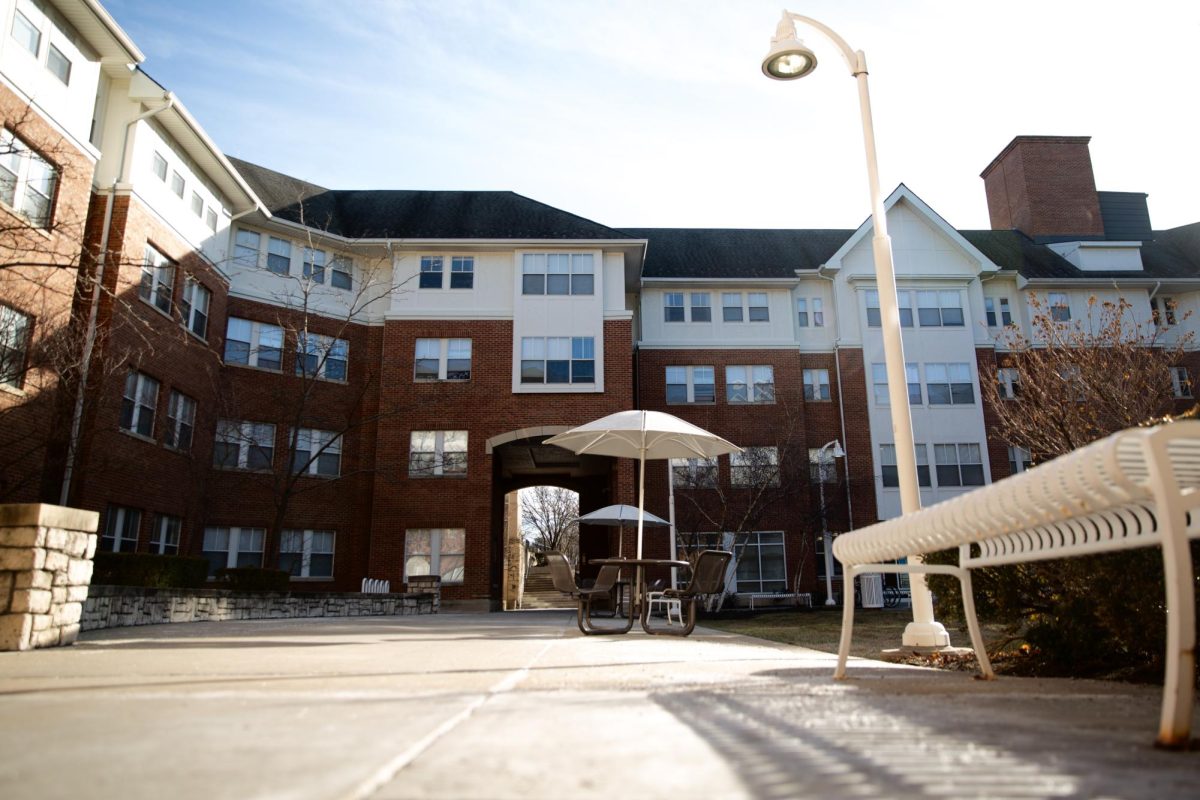
Spokesperson Stacy Downs stated the highest sticker price includes a fully furnished, single-person apartment at Hospital Hill for $14,922, and the Block 448 Plan will increase from $4,418 a year to $4,876.
Alongside inflation-driven cost pressures, the UM System aimed to maintain affordability while also investing in both facilities. Planned maintenance projects for 2027 include improving Wi-Fi infrastructure, painting, heat pump replacements, and additional minor repairs.
For many students, such as Bee Schultz, a freshman majoring in theater, price was a major factor in what they heard about UMKC. With recent rises in both housing and dining as well as tuition, they aren’t sure that can be said anymore.
“To me, it sounds like they are starting to go against what most people know them for,” Schultz said.
Some students have transitioned to off-campus housing to keep up with UMKC’s cost of attendance.
Payton Crump-McHugh, a junior in business administration, stated her on-campus housing bill was between $2,000 to $3,000 a semester during her first two years at UMKC. This rate covered her housing, utilities, and meals. Due to changes in Pell eligibility, Crump-McHugh now lives off campus, paying $750 monthly rent.
With many recent construction projects on campus, some students have also been frustrated about the lack of student interest in decisions made for the campus.
“Before they start working on big projects, they need to have secure funding instead of planning out the projects and figuring out funding later,” Schultz said.
![[FILE] Roof blown off downtown business after storms on April 23.](https://kcroonews.com/wp-content/uploads/2026/04/Image-88-1200x900.jpg)


![[FILE] The Starbucks in the Student Union.](https://kcroonews.com/wp-content/uploads/2024/10/Edited-1-7-1200x900.jpg)
![[FILE] One of the baby shirts apart of the Clothesline expressing a firsthand account of sexual assault.](https://kcroonews.com/wp-content/uploads/2025/10/lc-5-1200x900.jpg)