First-year students have mixed feelings about the required First Semester Experience (FSE) course at UMKC. They struggle to decide whether or not they find it useful.
The course is a weekly lecture and small group discussion, and also requires students to attend events or activities to receive class credit in an attempt to get them more involved on campus.
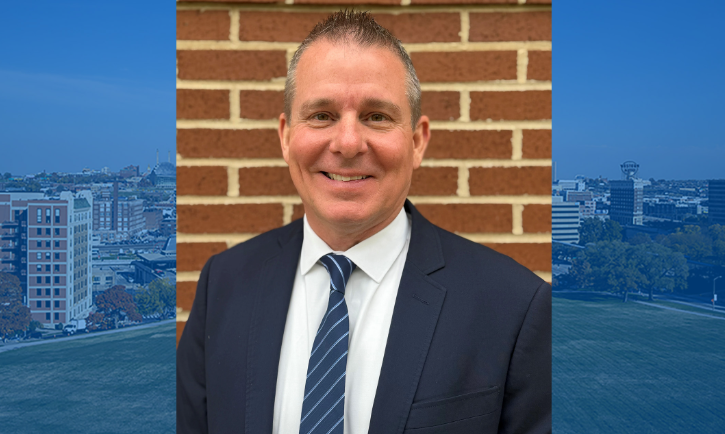
Dr. Lawrence Dreyfus, an FSE professor, said that the course’s goal is “to improve student success, boost student retention rates and reduce the time to degree completion.”
While some may find the class helpful, they do believe some changes could be made to the course’s curriculum to make it more interesting or better fitting to students’ needs.
“I think it’s good to have a required class for all first-year students to make sure they are in good standing during their transition into college, but the curriculum could be improved to make it more beneficial for students who might need more support,” said Keneth Rodriguez, a first-year biology major.
Rodriguez also said that she finds some of the requirements helpful, but “the class itself doesn’t really reflect the overall purpose of the course.”
The course uses a variety of strategies, such as introducing students to an array of extracurricular activities and developing a strategic plan for individual success.
FSE also connects students to resources on campus, such as the Writing Center, Peer Academic Leadership and more.
“Since we believe these experiences are invaluable for student engagement and success, UMKC requires FSE for all incoming students,” said Dr. Dreyfus.
Some students have shared that they feel the course content is repetitive and that they have heard most of the information before at orientation events and in their other classes.
“Some of the UMKC freshmen who are a part of First Gen Roo or who showed up for the Roo welcome week have already talked about a majority of the topics discussed in FSE,” says Diego Morales, a freshman studying biology.
Selena Lauver-Garcia, a freshman studying communications with an emphasis in journalism, says that the attendance requirements for the class seem unnecessary.
“I see what FSE is trying to accomplish as a class, but I don’t believe showing up two times a week is necessary, especially when most of the information in class could be covered in an email or through individual study,” said Lauver-Garcia.
Dr. Dreyfus says that he is aware of concerns raised by students and that they are taken into consideration when making improvements.
This year, the number of engagement activities required of students was lowered from 26 to 10. He also says they have “reduced the overall required content of the course.”
According to Dr. Dreyfus, Provost Jennifer Lundgren plans to make significant changes to the course at the end of this year with the hopes of improving student response and addressing concerns from both faculty and students.

![[FILE] Roof blown off downtown business after storms on April 23.](https://kcroonews.com/wp-content/uploads/2026/04/Image-88-1200x900.jpg)