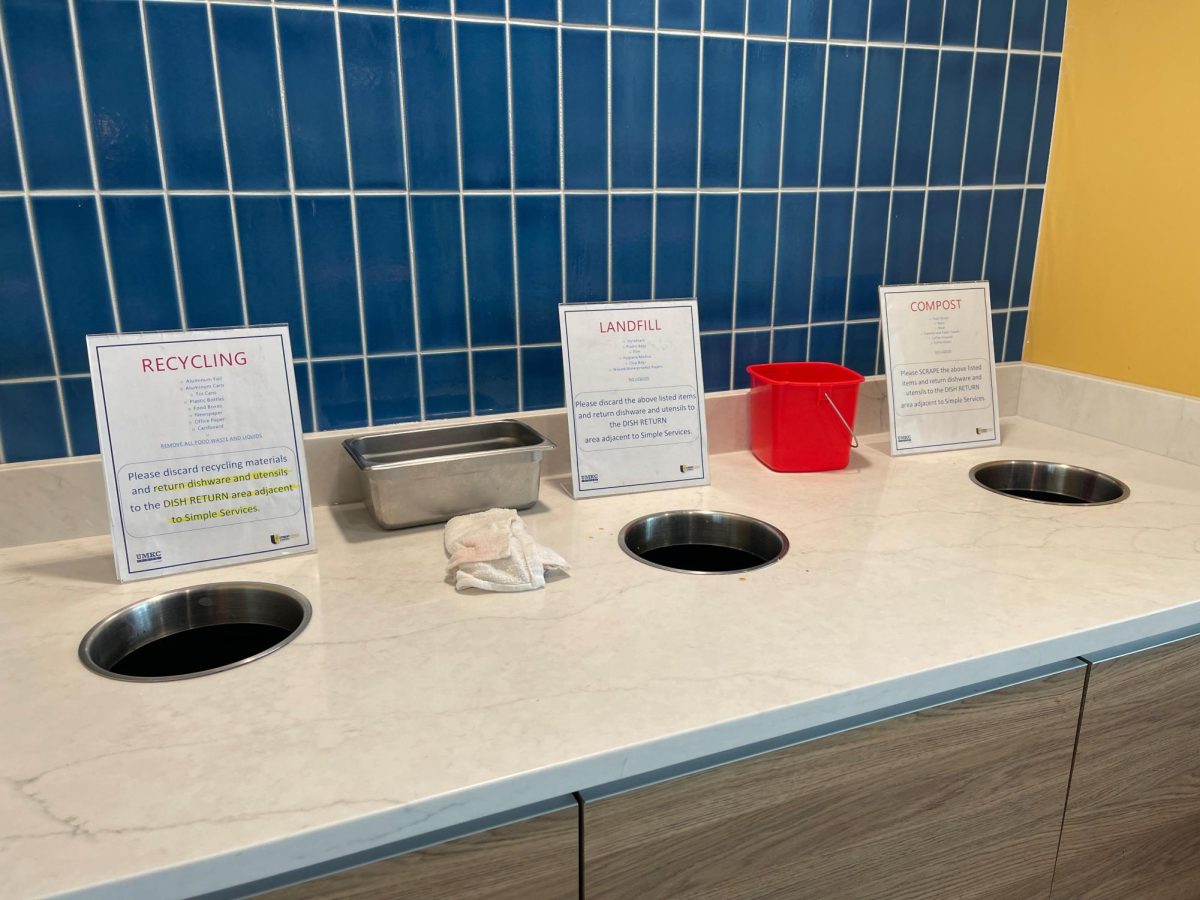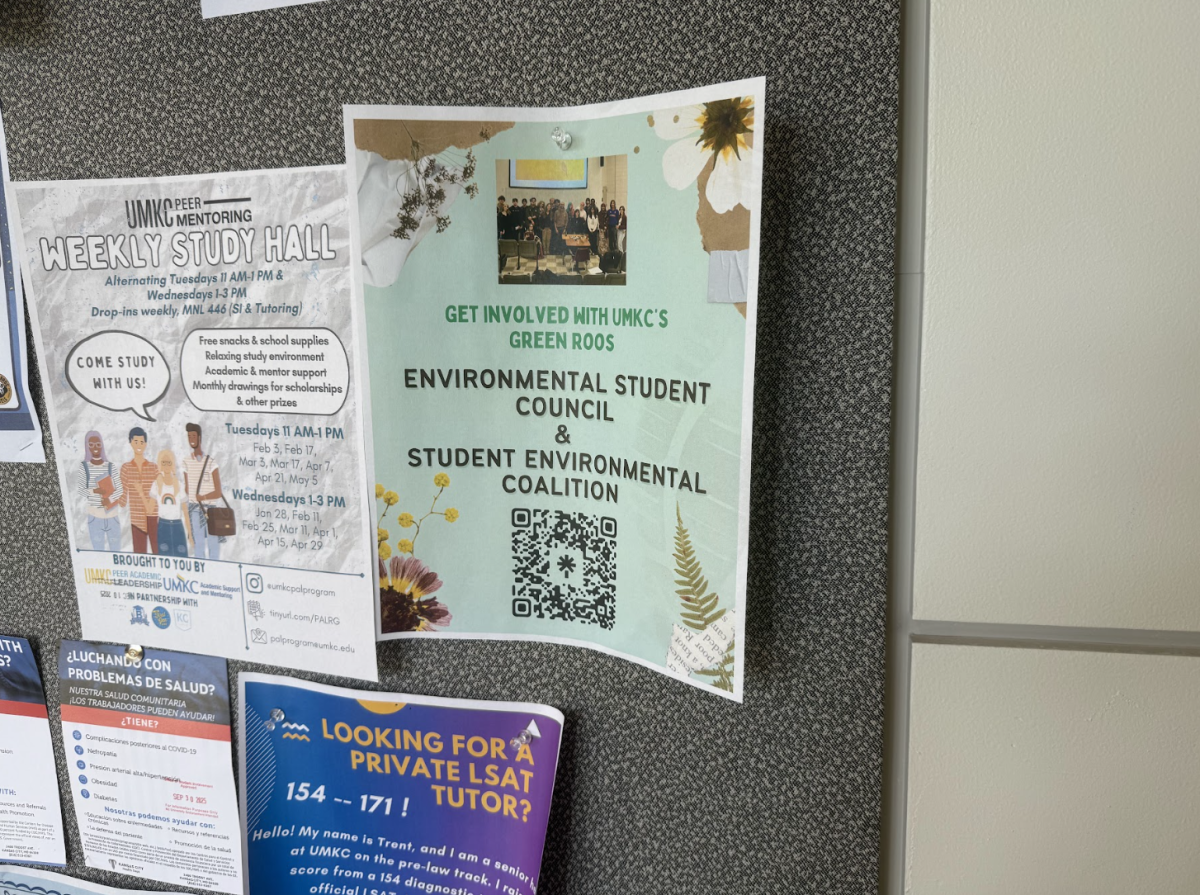
The Student Government Association (SGA) unanimously passed the Resiliency Resolution on March 30 to make UMKC more environmentally conscious.
Charlene Hansen, the Environmental Student Council (ESC) representative to the SGA, served as the author of the legislation after the initial ESC senator left the university.
“The campus is disconnected from each other. Each department works very independently. We looked at this as a first step, proof that students care about sustainability,” Hansen, a junior studying environmental and earth sciences, said. “The chancellor is always looking for opportunities to showcase good work being done at UMKC, and this is a beautiful opportunity for that.”
UMKC is the only school in the UM System that does not have a paid position for a dedicated sustainability coordinator. The position was replaced with a sustainability committee in 2019 due to budget constraints.
“I hope it forces UMKC to use the funding and resources available to work towards a better way of existing and make it more environmentally friendly,” said Mallory Guard, a sponsor of the resolution and the School of Medicine Senator for the SGA.
As a part of the legislation, UMKC is asked to “develop and implement a Resiliency Plan,” which includes filling the position of sustainability coordinator by 2027, and committing to net zero emissions by 2050, all without increasing student fees.
Also included is adhering to the reporting framework done by the Sustainability Tracking, Assessment and Rating System for universities. The reporting is asked to be reviewed by someone not involved in collecting the data and making the reports available to the public by 2029.
“They like to say there are sustainability initiatives already on campus that nobody knows about. Our response, let’s track our progress [STARS reporting],” Hansen said.
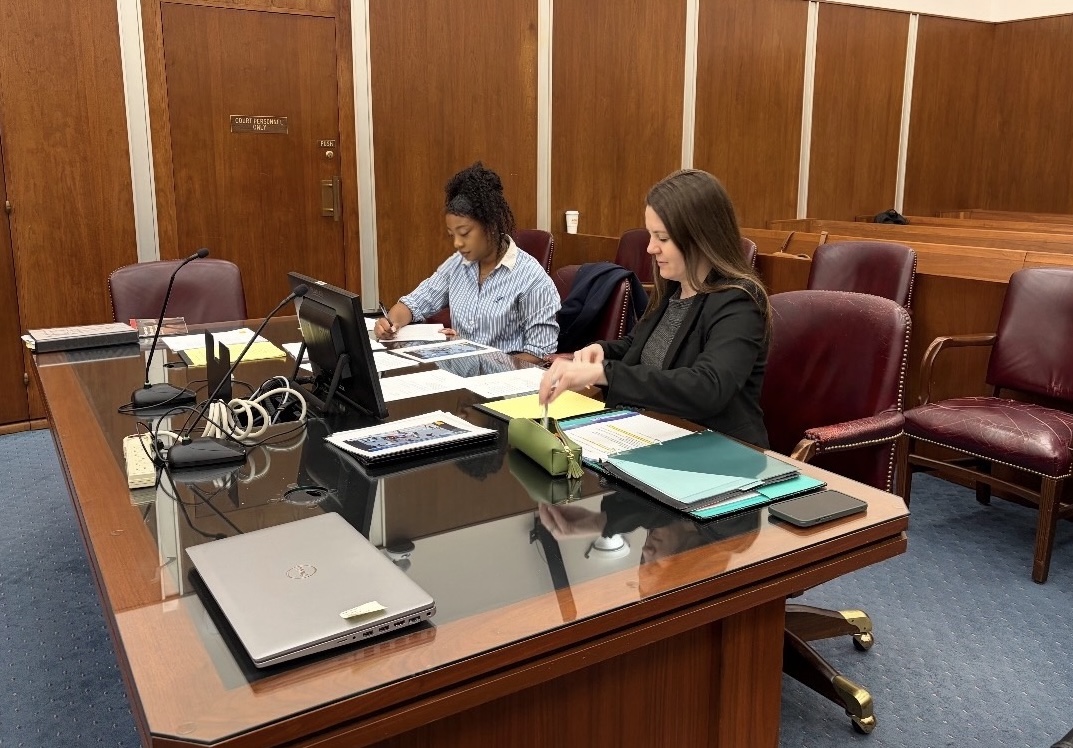
In a meeting between Hansen, Andre Logan, the Director of Strategic Initiatives and Todd Wells, the Dean of Students, Hansen was told UMKC could not afford the requests and needed to focus on other priorities.
“We spent $200,000 for a new basketball coach. There are always priorities, and we would like to see the university prioritize sustainability,” Hansen said. “Something that would be a real win is to have open conversations with the Chancellor’s office. The Chancellor makes $600,000 a year. I don’t think the conversation should end at ‘we can’t budget.’”
Hansen said the next steps are to convince the administration that sustainable efforts are worth the initial costs.
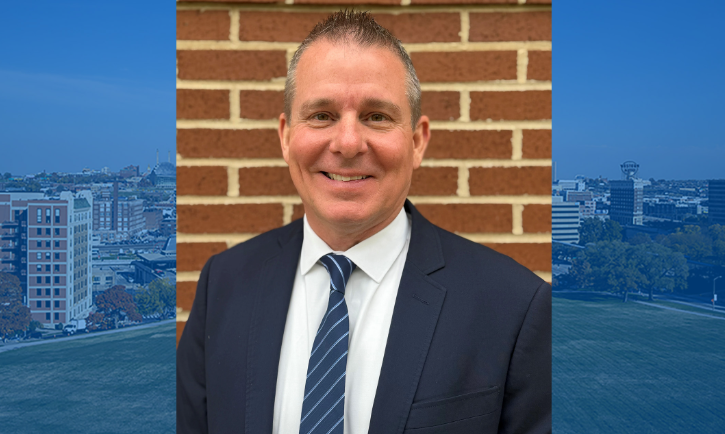
“UMKC has ongoing sustainability efforts, which we are reviewing with that conversation in mind to determine next steps. I’m appreciative of the ESC’s advocacy and look forward to collaborating further,” Wells said.
Conversely to UMKC, Johnson County Community College has three full-time sustainability coordinators and numerous paid student interns for sustainability efforts.
“Asking for one full-time person was really the bare minimum, but that was met with pushback from the administration,” Hansen said. “There are thousands of students at JCCC who are looking for a university to transfer to. I think it would be really beneficial to the Chancellor to use this as a marketing aspect.”
In the fall of 2025, the chancellor announced UMKC’s involvement with the Critical Material Crossroads. Mining for critical materials currently makes up around 8% of the world’s carbon footprint, making sustainable efforts at UMKC more important.
Hansen and the ESC will be holding an Earth Day event on April 22, including tabling by local organizations and a ranked-choice student vote for what students value for UMKC to improve.

![[FILE] Roof blown off downtown business after storms on April 23.](https://kcroonews.com/wp-content/uploads/2026/04/Image-88-1200x900.jpg)