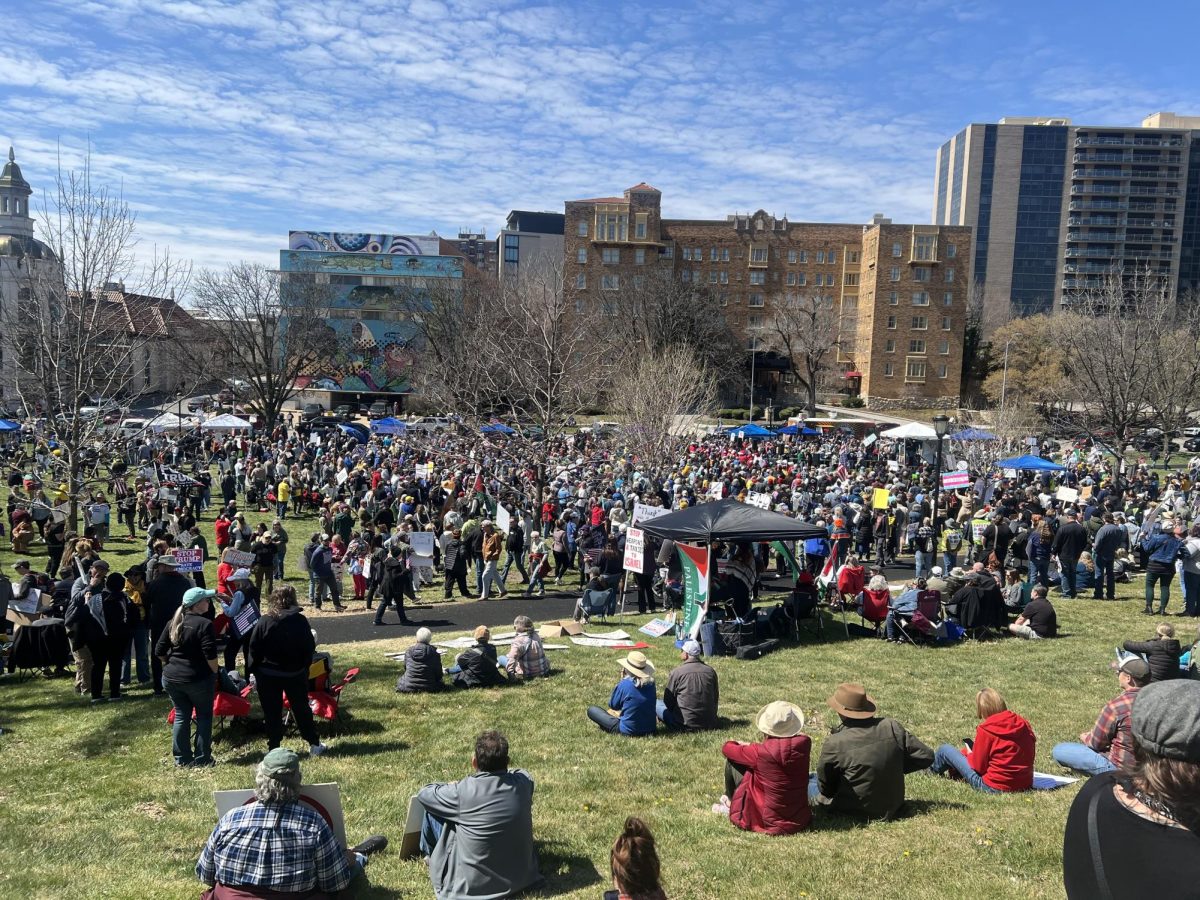
On Oct. 27, the US Department of Agriculture stated that funds will not be issued for the Supplemental Nutrition Assistance Program (SNAP) in November due to the ongoing government shutdown.
Yesterday, two federal judges ruled that emergency funds be used for SNAP, but it is unknown what will happen to the Missourians at risk.
Roughly 650,000 Missourians will lose their SNAP benefits. However, there are even more vulnerable groups within this figure.
“We also know that over half of the recipients are either seniors or children,” said Dr. Kelsey Gardiner, assistant professor of Nursing and Health Studies, whose research focused on food insecurity and access to healthy food.
While the exact number of KC residents who rely on SNAP benefits is not public data, roughly 6%-10% of people in Jackson County, Johnson County and Clay County rely on SNAP benefits.
Food banks in the KC area are bracing for the impact that the SNAP benefit cuts will have.
“We’re going to have a lot of folks who are facing food insecurity for the first time,” said Elizabeth Kaever, chief of resources for Harvesters.
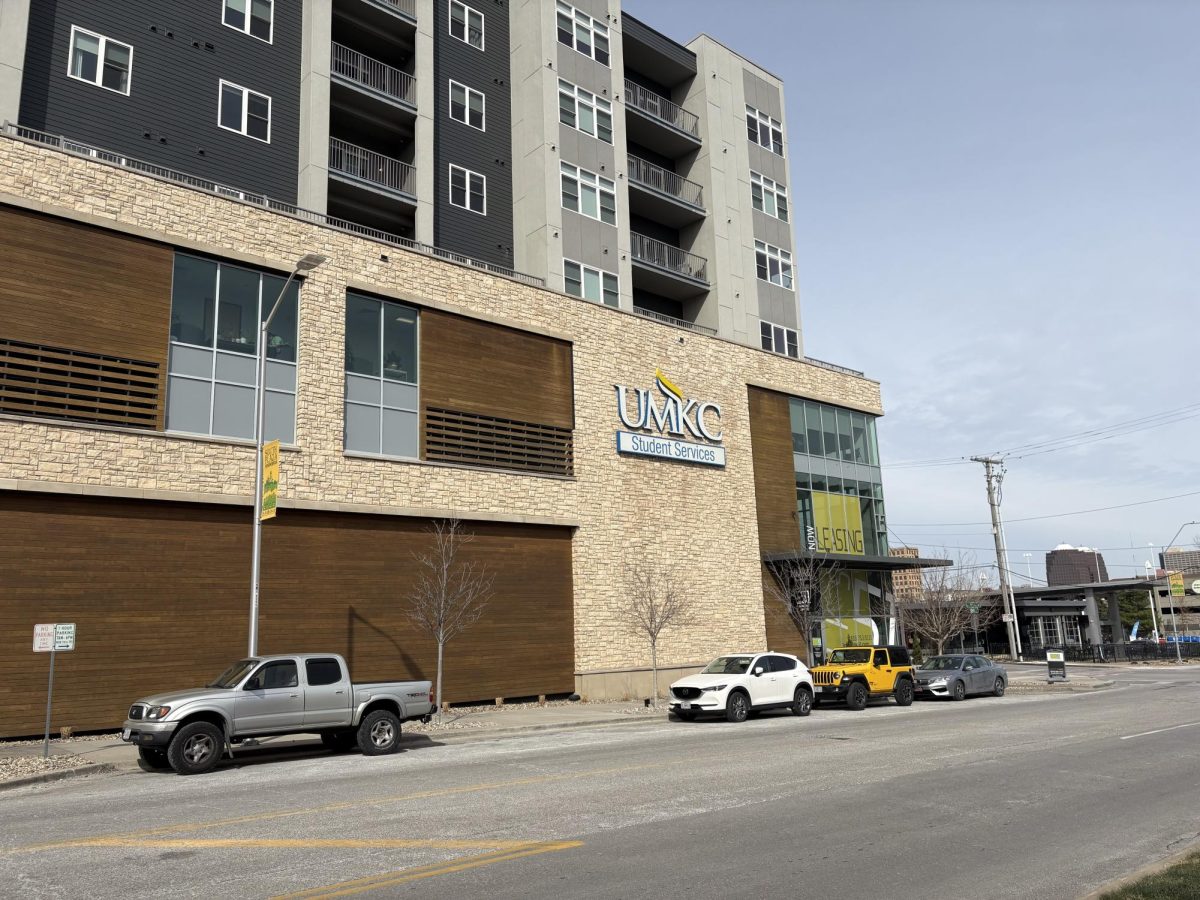
At UMKC, students have access to a food pantry, courtesy of the Dr. Raj Bala Agrawal Care Center. Workers at the Care Center are bracing for the impact of cut benefits as well.
“I do believe that we will be seeing a pretty big influx of people who are coming over to use the pantry, as we obviously offer those kinds of free foods and free services, and with SNAP gone, people are gonna have a lot bigger of a dependency on us to be able to provide for them,” said Alexandre Stout, junior philosophy and English major. Stout is a Work-Study student working in the Care Center, a food pantry for UMKC students.
“The problem is that it can make it a very competitive environment, because people will be coming in a lot earlier to get more products,” said Stout.
This lack of resources can have adverse impacts on those who struggle with food insecurity.
“When we think about health impacts more broadly, we know that it impacts a variety of areas. But for children especially, we know that that impacts their cognitive and physical development exponentially,” said Gardiner. “So if more of their money is going into food, then that also means that they’re likely missing out on some of those other things that they need to pay for, like bills, like childcare, like gas in their car.”
The funding lapse may have further economic impacts.
“What people don’t realize is that this impact on SNAP is gonna have a drastic impact on not only health outcomes, but also on the local economy. So a lot of the SNAP dollars that were being used in local grocery stores are no longer going to be utilized in those spaces, which is a huge hit to local grocers,” said Gardiner.
Some relief came in the form of a bill signed by Missouri Governor Mike Kehoe, which allocated $15.6 million to other food-related programs. Kehoe cannot supply SNAP, as it is fully funded by the federal government.

![[FILE] Roof blown off downtown business after storms on April 23.](https://kcroonews.com/wp-content/uploads/2026/04/Image-88-1200x900.jpg)


![[FILE] The Starbucks in the Student Union.](https://kcroonews.com/wp-content/uploads/2024/10/Edited-1-7-1200x900.jpg)
![[FILE] One of the baby shirts apart of the Clothesline expressing a firsthand account of sexual assault.](https://kcroonews.com/wp-content/uploads/2025/10/lc-5-1200x900.jpg)