Considered one of the most anti-trans laws in the country by trans activists, Kansas Senate Bill 244 passed Feb. 18, leaving trans students and faculty fearful of its implications.
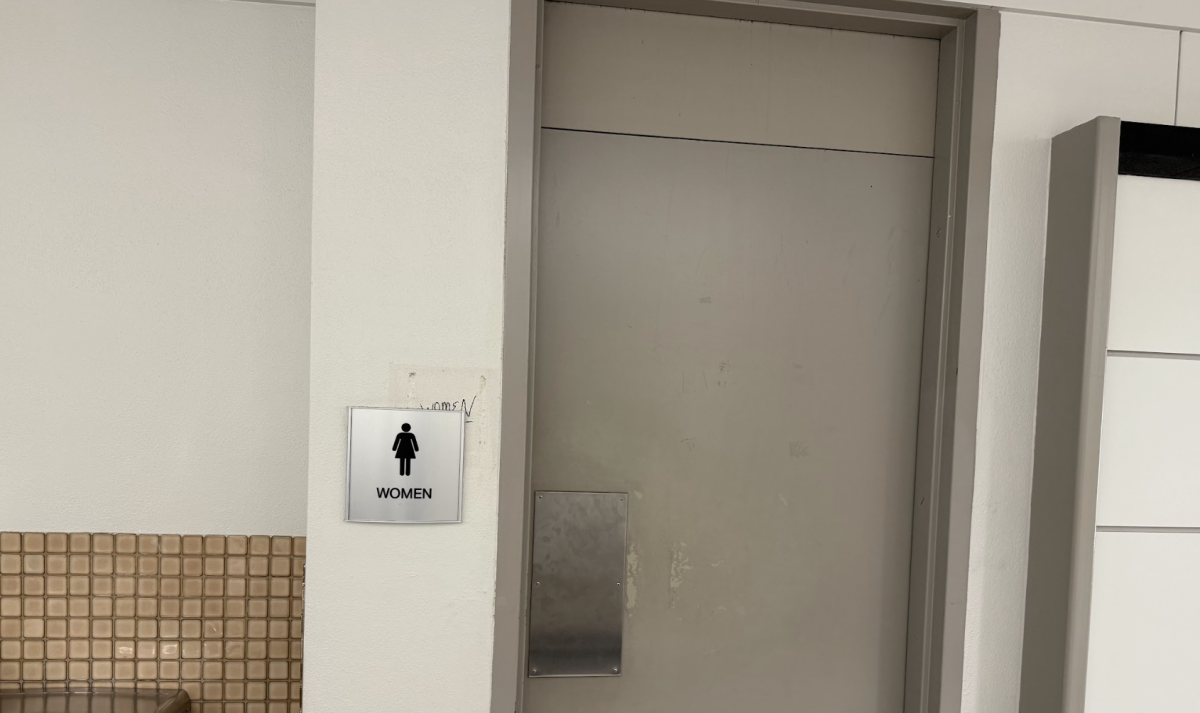
The legislation, initially vetoed by Governor Laura Kelly, was overturned and will require people to use bathrooms in public spaces that align with their sex assigned at birth.
“It’s a product of blatant transphobia that has been ingrained in the United States for a multitude of reasons and the desire to control bodies when they are seen as ungovernable,” said Marian Phillips, graduate teaching assistant and PhD student in women, gender and sexuality studies at the University of Kansas.
While a major part of the law includes the restriction on restrooms, it also voids drivers licenses and birth certificates that have been changed.
“They have no legal documentation, they can’t drive a vehicle without risking legal consequences,” said Ericka Cole, the communication chair for the Trans Lawrence Coalition.
If caught not following SB 244, the first violation is a warning, the second a fine up to $1000, and the third a charge with a Class B Misdemeanor, including fines up to $1000 and or jail time of up to six months.
“Trans men who have transitioned and pass as men might be forced into women’s rooms, and then people might think they are trans women. It is culturally harmful,” said Robin Cremins, assistant teaching professor at UMKC of race, ethnic and gender studies.
This legislation follows suit with the bathroom ban in Texas and a wave of anti-trans legislation across the U.S.
“They’re starting at a disdain for trans people, a desire to see them eliminated from public life. Starting at areas of life they think are most palatable for the average person to side with them on to get them on a path of taking away civil liberties of trans people,” said junior music major Ariana Holmberg.
With unclear measures as to how the law is going to be enforced, the uncertainty may contribute to the dangerous implications.
“The part of the problem with the bill, aside from the general idea of it, it doesn’t give specifics on how that’s going to work. We don’t know how to protect against what’s not really been made clear,” said Cole.
Kansas, while having the reputation of a free state, is not new to anti-trans legislation. The passing of SB 180 in 2023 was the first in the country to specify a definition of male and female being sex assigned at birth.
“Anti-trans initiatives are inhumane and they go against everything that this country was initially supposed to stand for. The bathroom legislation is taking away one of the most basic human rights, which is to use a bathroom,” said Phillips.
With the World Cup coming to Kansas City, along with the Chiefs’ upcoming move to Kansas, students are worried about the precedent being set for the rest of the country.
“While UMKC is in Missouri, it is just as much a Kansas school. For all the people that live there or are traveling in Kansas, means they have to be mindful,” said Holmberg.
While trans people are at the forefront of the bill, any person suspected of not following the law may be subject to civil litigation.
“Trans people are normal people. This isn’t just going to affect trans people; it’s going to affect everybody. Everyone loses their right to bodily autonomy,” said media art design junior and Vice President of Trans+, Seb Scaggs.
“We’re normal people, we want to use the bathroom like everyone else.”
![[FILE] Roof blown off downtown business after storms on April 23.](https://kcroonews.com/wp-content/uploads/2026/04/Image-88-1200x900.jpg)