On Tues. March 10, Kansas City Public Safety Committee is expected to revisit a proposed alcohol ban on single-serve alcohol products targeting high-crime neighborhoods across the city.
The proposed ban would prohibit the sale of single-serve malt liquor in 40-oz containers or less and small container products (200 ml or less) of 35% alcohol by volume (ABV) or higher, such as airplane bottles. It would not affect the entire city, instead targeting five neighborhoods across the city, including Prospect, Midtown, and Independence.
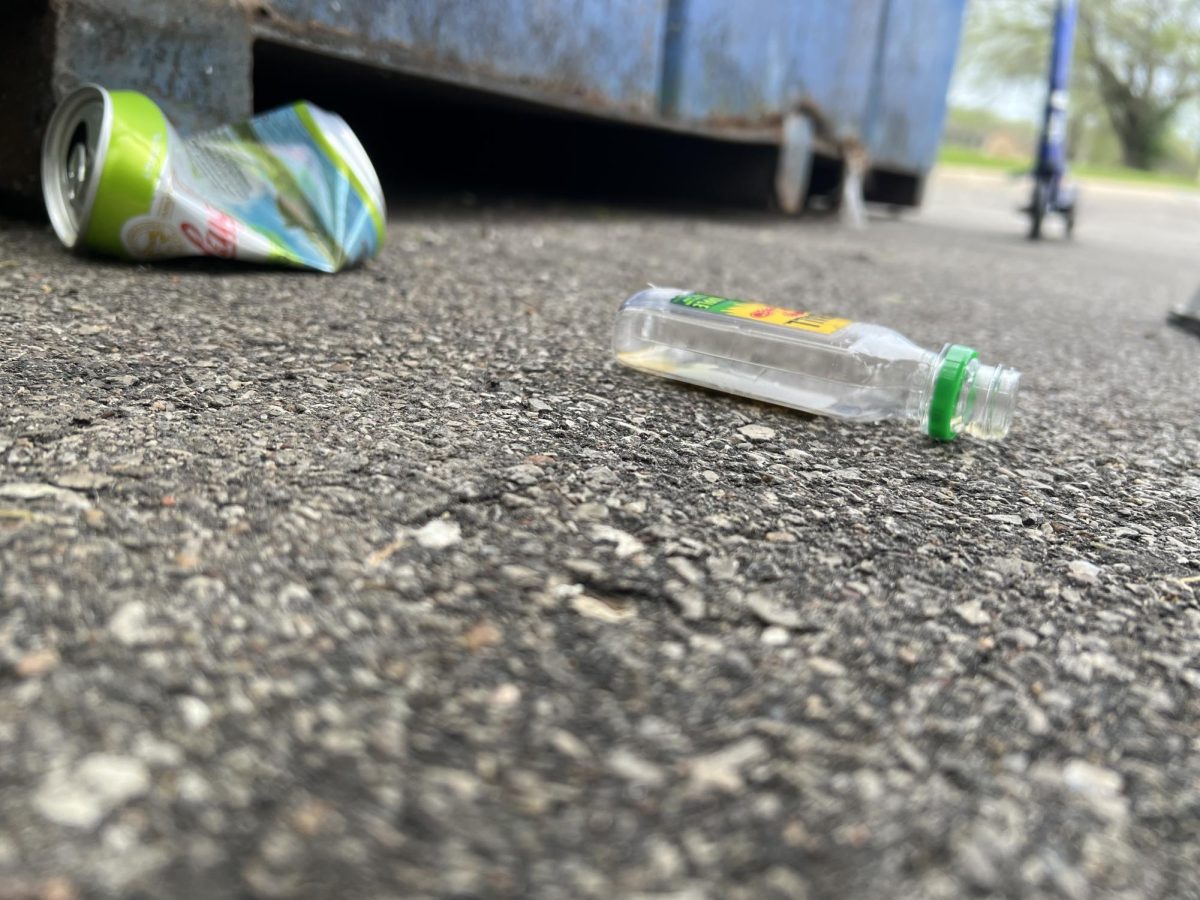
The city council hopes the ordinance will reduce loitering, litter and crime outside of local liquor stores, claiming that other cities such as Seattle, San Francisco and Minneapolis have enforced similar bans with a notable reduction in crime.
In the first committee hearing on Tues. March 3, the committee heard a variety of opinions from concerned locals.
“I ain’t seen one-shot bottles shoot nobody. I got 19-year-old kids in my neighborhood with 40 cals and nine millimeters,” said 62-year-old local Pat Clark.
Some local business owners feel the ordinance unfairly targets business owners instead of dealing with the larger issue of loitering and crime.
“To be looked at as a criminal for serving my community, it feels horrible. It makes me feel horrible that I have to go to my daughter’s school and introduce myself as a role model, and I don’t feel like a role model. I’m ashamed to say I’m a liquor store owner,” said Philip Marquez, owner of Country View Market on Swope Parkway.
Others feel the proposed ban won’t fix the issues in these communities, highlighting the need for economic development and addressing the unhoused population.
“I want to point out that the cities and states that have done these bans are very progressive in their programs for homelessness and behavioral health, and they do it with funding and resources,” said Carlos Gomez, president of the Hispanic Chamber of Commerce of Greater Kansas City.
“It’s not just the alcohol. We have to address homelessness, mental health, and a lot of the other core issues in our community,” said Harley Maxwell, founder and CEO of Loving to the Max.
Several community leaders spoke out in support, feeling the ban is a good first step in cleaning up neighborhoods that have long been plagued by violent crime. Many are hoping that this ordinance will help encourage economic development.
“This is about public safety. We’re in a public safety crisis. We cannot attract economic development in the urban corps because of these environmental factors,” said Gwendolyn Grant, president of the Urban League of Greater Kansas City.
“We’ve been crying for development for years. When they drive through our community and see the loitering, and the blight, and the nuisance, all of these challenges, they won’t invest,” said Grant.
“If you ride a city bus right today, when you get off that bus, you’re gonna find the little bitty bottles of whiskey and other stuff all over the bus. So, we’ve got to start somewhere. I’m not against economic development, nor am I against entrepreneurship. But I do want a control, and we need to have control.” said Bishop James Tindall, president of Urban Summit KC.
The supporters of the ordinance understand that this ban alone will not fix the issues these communities face, feeling that it is just one tool leading to a greater solution.
“We have to be honest with ourselves that there’s not one single ordinance that’s gonna create a safe community. We know that, but it is in bad faith to suggest that we can’t do anything because we can’t do all things,” said concerned citizen Dr. Nicole Price.
“This is not about addressing people’s alcohol addiction. This is about cleaning up areas,” said Price.

![[FILE] Roof blown off downtown business after storms on April 23.](https://kcroonews.com/wp-content/uploads/2026/04/Image-88-1200x900.jpg)